Common Auto Repair Services: An Essential Guide for Car Owners
Each vehicle owner must have a foundational understanding of common auto repair services. Routine maintenance plays a vital role in vehicle longevity and performance. Failing to perform routine care may bring about significant issues down the road. Being aware of when to resolve matters, such as oil changes or brake inspections, is essential. This guide aims to highlight important services that every vehicle requires. What are the most critical elements of maintenance that drivers often overlook?
Understanding Routine Maintenance Solutions
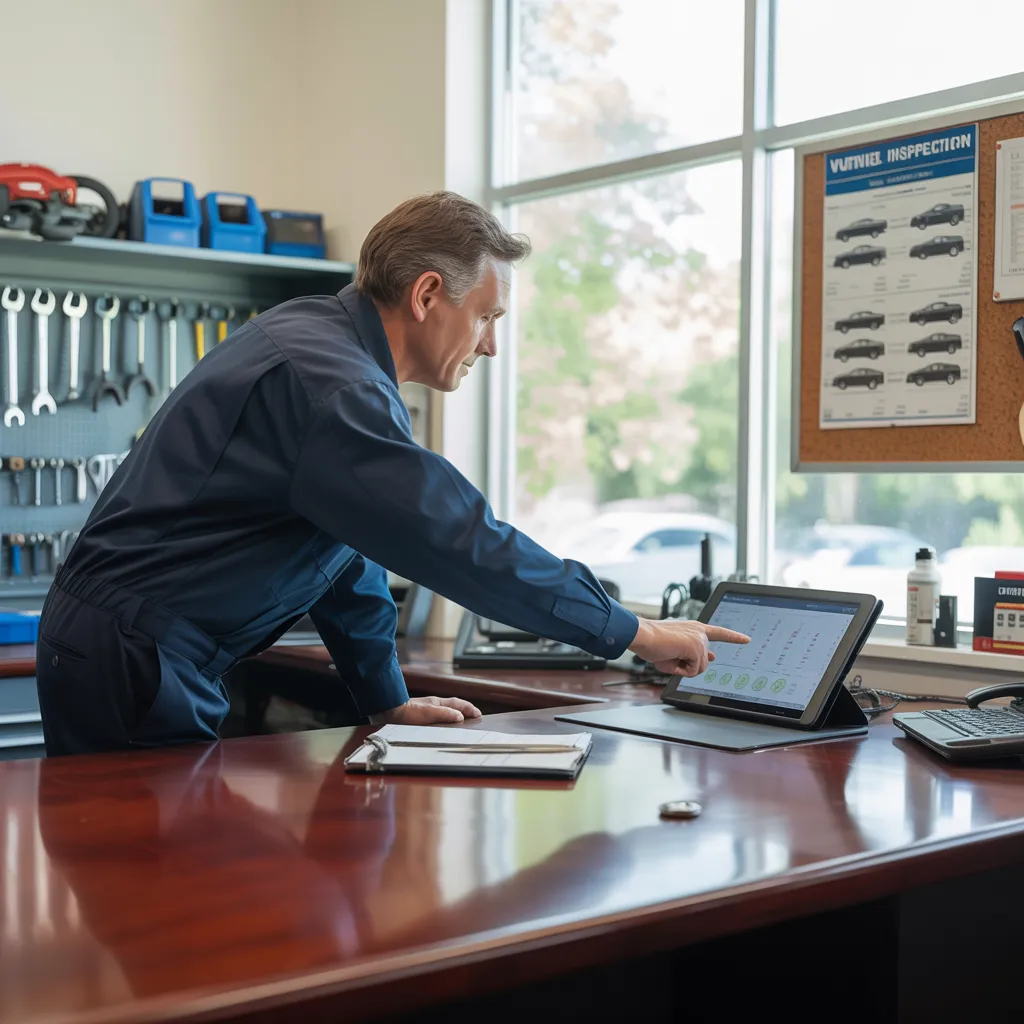
While many vehicle owners recognize the importance of routine maintenance, they often overlook the specific services that contribute to a car's longevity and performance. Consistent maintenance comprises various vital procedures, including tire rotations, brake examinations, and fluid verifications. Each service plays a vital role in preventing potential issues that could lead to costly repairs. For example, consistent tire rotations ensure uniform wear, extending tire lifespan and boosting fuel economy. Brake evaluations assist in preserving optimal stopping capability, while fluid assessments verify that essential systems function properly. Through following an organized maintenance plan, car owners can significantly prolong the life of their vehicles, ensuring dependable performance and security while driving. Consistent focus on these procedures eventually promotes a reliable driving experience.
The Significance of Regular Oil Changes
Oil changes play an essential role in maintaining engine performance and longevity. By regularly replacing motor oil, vehicle owners can prevent sludge buildup and guarantee proper lubrication of engine components. This preventative maintenance not only enhances efficiency but also extends the life of the vehicle.
Advantages of Engine Performance
Frequent oil changes are critical for keeping peak engine performance in any vehicle. Fresh oil lubricates engine components, lessening friction and wear, which in turn improves efficiency. This superior lubrication helps the engine to function smoothly, increasing fuel economy and power output. Additionally, clean oil removes contaminants and debris that can build up over time, stopping potential damage and prolonging engine life. When engine parts move freely, the overall performance increases, leading to a more responsive driving experience. What's more, timely oil changes can avoid overheating, as oil also functions as a coolant. Fundamentally, regular oil changes are a straightforward but powerful way to guarantee a vehicle runs efficiently and reliably, protecting its performance over time.
The Importance of Preventative Maintenance
Routine preventative maintenance plays a vital role in increasing the longevity and dependability of a vehicle, with oil changes serving as a key component. Routine oil changes ensure that the engine operates smoothly by clearing away dirt and debris collected over time. Fresh oil reduces friction, enabling engine parts to operate effectively and stopping overheating. This scheduled service also helps maintain peak fuel efficiency, which can help owners save money in the long run. Neglecting oil changes can lead to severe engine damage and high-cost repairs. By following a scheduled oil change regimen, car owners can enhance vehicle performance, preserve engine health, and ultimately extend the car's life. As a result, consistent oil maintenance is a vital aspect of responsible vehicle ownership.
Maintenance and Repair Services for Brake Systems
Brake system maintenance and repairs are critical for vehicle safety and performance. Periodic inspections help reveal brake system warning signs, for example odd noises or lessened effectiveness. Comprehending available brake maintenance services helps ensure that drivers can make informed decisions about their vehicle maintenance requirements.
Importance of Brake Examinations
How important are brake inspections in securing vehicle safety and performance? Scheduled brake inspections are essential for detecting potential issues before they become serious problems. They help sustain the integrity of the braking system, which is crucial for safe driving. Inspections typically involve inspecting brake pads, rotors, and fluid levels, ensuring that components are working properly. By carrying out these assessments, car owners can improve their vehicle's reliability and longevity while reducing the risk of accidents. Furthermore, proactive maintenance can produce cost savings by resolving minor repairs early, stopping more extensive damage. On the whole, routine brake inspections are a fundamental aspect of responsible vehicle ownership that emphasizes safety on the road.
Warning Signs of Brake Concerns
Routine brake inspections serve a vital function in identifying potential problems, but car owners should also be aware of specific signs that indicate brake issues. Strange noises, such as screeching or scraping, often signal degraded brake pads and require prompt attention. A soft or nonresponsive brake pedal may indicate air in the brake lines or low fluid levels. Moreover, learn here vibrations or pulsations when braking can signal warped rotors. Car owners should also monitor for a warning light on the dashboard, which often signals brake system malfunctions. Finally, if the vehicle pulls to one side during braking, it may suggest uneven brake wear or problems with the brake system. Recognizing these signs early can prevent more costly repairs.
Types of Brake Services
Preserving a vehicle's braking system is vital for both safety and performance. Brake services generally include assessments, pad replacements, rotor resurfacing, and fluid changes. Periodic assessments help discover wear and tear, ensuring optimal functionality. Brake pad replacement is needed when pads become too thin, which can cause diminished stopping power. Rotor resurfacing may be required if the rotors show signs of warping or scoring, allowing for smoother braking. Moreover, bleeding and replacing brake fluid is important, as old fluid can absorb moisture and diminish braking efficiency. Some services may also encompass inspecting brake lines and calipers for leaks or damage. Proper maintenance of the braking system improves vehicle safety and prolongs the lifespan of its components.
Tire Care and Renewal
Though commonly neglected, adequate tire care and regular replacement are crucial for maintaining vehicle safety and performance. Routine tire inspections can help identify issues such as inconsistent wear, punctures, or low tread depth, which can diminish traction and handling. Keeping correct tire pressure is similarly vital, as both insufficient and excessive inflation can bring about premature wear and increased risk of blowouts. Car owners should also rotate their tires periodically to encourage even wear across all four tires. When it comes time for replacement, selecting the right type of tire—whether all-season, winter, or performance—is essential for best driving conditions. By giving attention to tire care, vehicle owners can enhance their safety and lengthen the lifespan of their tires.
Electric System Evaluation
Tire maintenance represents one facet of vehicle care, yet electrical system diagnostics fulfill a vital purpose in keeping a vehicle running smoothly. The electrical system powers key components, including the ignition, lights, and entertainment systems. When issues arise, they can appear as dimming lights, difficulty starting, or malfunctioning accessories. Technicians use specialized tools to identify problems, often starting with a thorough scan of the vehicle's onboard computer. This process helps identify faults in wiring, batteries, or fuses. Addressing electrical issues promptly is crucial, as neglect can bring about more substantial problems and potentially unsafe driving conditions. Regular diagnostics can ensure all electrical components function correctly, enhancing the overall reliability and safety of the vehicle.
Cooling System Repair and Service
Services and repairs for cooling systems are crucial for stopping engine heat issues and guaranteeing peak vehicle performance. This mechanism manages regulating engine temperature, utilizing components such as the radiator, water pump, and thermostat. Consistent upkeep, including coolant flushes and inspections, assists in detecting leaks, corrosion, or blockages that may compromise functionality. Signs of cooling system issues may include fluctuating temperature gauges, steam rising from the engine, or leaking coolant. Timely repairs, like replacing a malfunctioning thermostat or water pump, can avoid more significant engine damage and high-cost fixes. By prioritizing cooling system maintenance, vehicle owners can enhance vehicle reliability, increase fuel efficiency, and lengthen the complete lifespan of their engines.
FAQ
What Are the Signs My Car Needs Repair?
Indicators that your automobile requires service include abnormal sounds, warning indicators on the dash, poor performance, fluid leaks, and trembling while driving. Periodic maintenance examinations can also help identify possible issues prior to them worsening.
How Can You Tell If Your Transmission Is Failing?
Signs of a faulty transmission include gears that slip, hesitant gear changes, odd sounds, fluid leaks, illuminated warning lights, and burnt odors. These signs suggest potential problems that may need prompt attention from a skilled mechanic for accurate diagnosis.
How Often Do I Need to Replace My Windshield Wipers?
Windshield wipers generally need replacement every half a year to a full year, according to usage and environmental conditions. Periodic examination for damage symptoms, such as streaking or skipping, can help determine when replacement is needed.
Can I Handle Auto Repairs Myself?
Individuals with basic mechanical skills and tools can perform many auto repairs. However, it's advisable to seek professional help for complex issues or when lacking experience to ensure safety and proper vehicle function.
How Should I Handle a Vehicle Breakdown?
In the event of a breakdown, drivers should safely pull over, turn on hazard lights, examine the situation, call for roadside assistance if necessary, and refrain from attempting repairs in unsafe conditions, always prioritizing personal safety.